Five Inches of Color School: A Thrifted Figure Repaint Challenge
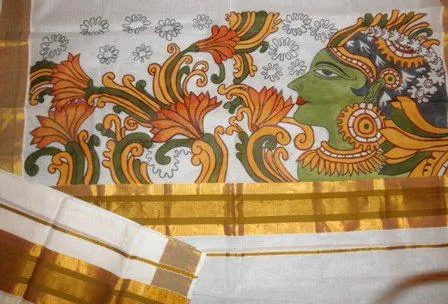
Photo: Pavithram Collections, CC BY-SA 3.0, via Wikimedia Commons
The best color theory class I have taken recently cost $12.99 and came with a missing cape. I found the figure in a Goodwill bin, face scuffed, joints loose, paint chipped in all the wrong places. It was not collectible. It was not precious. It was perfect.
Repainting a cheap action figure is not really about restoration. It is about making decisions on a canvas so small that every choice shows. Five inches of plastic will not let you hide behind endless adjustments. You pick a palette, you commit, and you learn fast.
Pick a Figure With Bad Paint and Good Bones
Start with a figure that has a strong silhouette and simple sculpted detail. You want readable shapes: a helmet, a shoulder pad, a folded sleeve, a chunky boot. Avoid anything rare, fragile, or emotionally important. This is a bootcamp, not a museum job.
Loose joints are fine. Missing accessories are fine. A little grime is fine. What you do not want is soft, sticky vinyl that refuses to hold paint, or a figure so detailed that every brushstroke turns into a rescue mission. Look for hard plastic and clean lines. Wash it with dish soap and warm water, scrub gently with an old toothbrush, and let it dry completely.
Strip, Scuff, and Stop Before You Overdo It
Factory paint can be stubborn. For many figures, you do not need a full chemical strip. A light scuff with fine sandpaper and a wipe-down with isopropyl alcohol can give primer something to grip. If you do strip, work in a ventilated space, test a hidden area first, and keep harsh solvents away from parts that might melt or cloud. This is a $15 lesson, not a hazmat certification.
Remove arms, heads, or accessories when you can. Paint them separately. Mask joints with tape or a tiny bit of putty so the figure can still move when you are done. Nothing kills the joy of a repaint faster than a shoulder that welds itself into a permanent salute.
Prime Thin, Then Stop
Primer is where impatient people ruin good toys. Spray in light coats from about six to eight inches away. Warm day, low humidity, steady hand. A cheap rattlecan works, but brush-on primer is friendlier in a small apartment. You are not trying to bury the sculpt. You are trying to give it teeth.
Let the primer cure longer than you think. Overnight is good. Two nights is better. Thin your acrylics with a little water so they flow without pooling. A wet palette is worth the few bucks. So is a small brush that keeps a point.
Build a Palette You Can Count on One Hand
This is the heart of the challenge. Choose five colors and no more. A workable set might be a deep teal, a warm sand, a rusty red, an off-white, and a near-black. Or a plum, a pale mint, a mustard, a bone white, and a cool gray. The colors do not matter as much as the limit.
Now make them work. Mix a midtone, a shadow, and a highlight from that small family. Shift shadows cooler and highlights warmer. Test values on a scrap of primed plastic, not on the figure. Squint at your test patch. If the shapes still read when you squint, you are on track. If everything turns into one gray blob, your values are too close.
Restraint is the real lesson. When you only have five colors, you stop reaching for a new tube every time something feels off. You solve the problem with mixing, layering, and contrast. That habit follows you back to illustration, branding, and just about any other visual work.
Paint in Passes, Not Panic
Block in the big shapes first. Do not start with eyeballs. Do not start with a logo. Cover the large areas with thin layers and let them dry. Then move to the secondary shapes. Save the smallest details for last, when the figure already looks like something.
Keep a paper towel handy. Acrylics dry fast, but a damp brush can lift mistakes before they set. Work on one section at a time. Give yourself permission to repaint a zone if it goes muddy. This is a learning object, not a client deliverable.
Finish with a matte or satin varnish. Thin coats. Let them cure. Reassemble the figure and pose it on your desk. It will not look like a factory product. That is the point.
The Lessons Show Up in Your Other Work
A repainted thrift-store figure is a tiny decision machine. You practice reading value. You practice hue harmony. You practice stopping. You practice living with a choice instead of endlessly browsing alternatives.
Put the finished figure somewhere visible. Every time you glance at it, you will remember that color is not a mood board. It is a series of commitments. And sometimes the best way to study them is to hold the whole canvas in one hand.