Figure Playground Where creativity takes shape

Figure Playground

Where creativity takes shape

Latest Articles

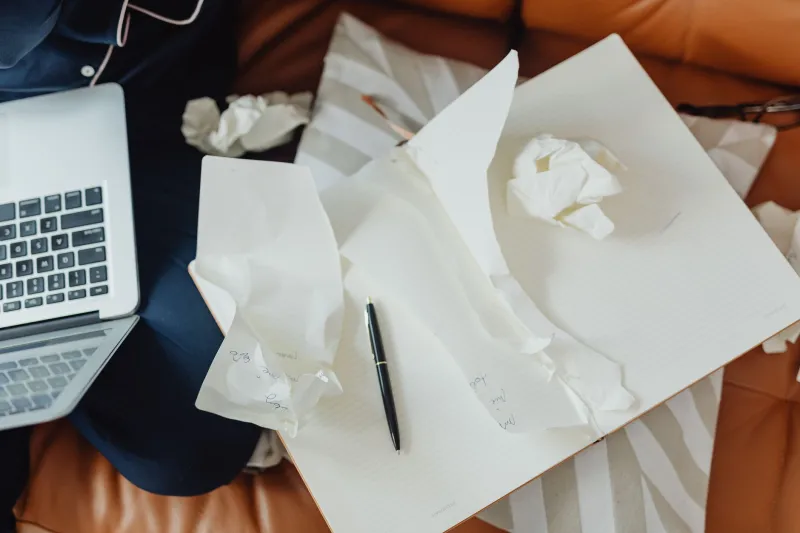
Wreckage as Raw Material: How Your Worst Creative Disasters Are Actually Building Your Best Work
Design Theory

Wreckage as Raw Material: How Your Worst Creative Disasters Are Actually Building Your Best Work

Every blown deadline, botched concept, and cringe-worthy portfolio piece you've tried to forget is sitting on a goldmine. The projects that cratered hardest are often the ones quietly rewiring how you think, design, and make — and the most innovative creators know exactly how to go back and dig them up.

Paper Doesn't Crash: What Happens to Your Brain When You Ditch the Screen
Illustration Techniques

Paper Doesn't Crash: What Happens to Your Brain When You Ditch the Screen

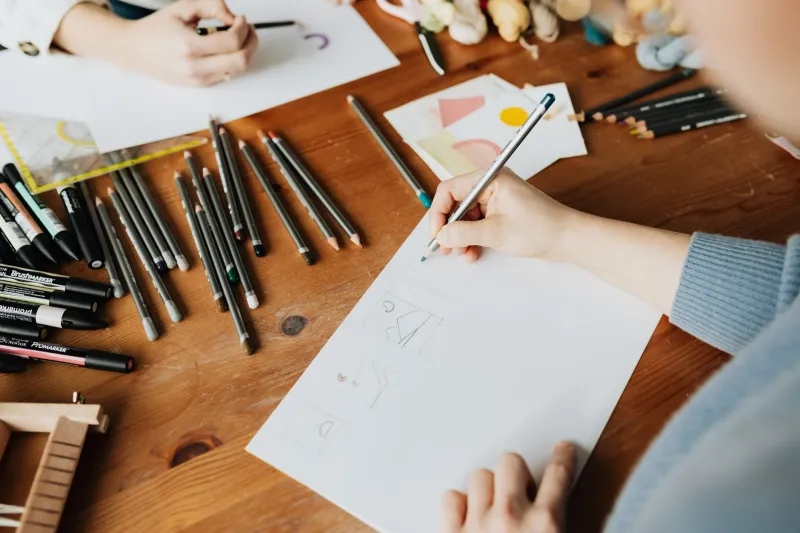
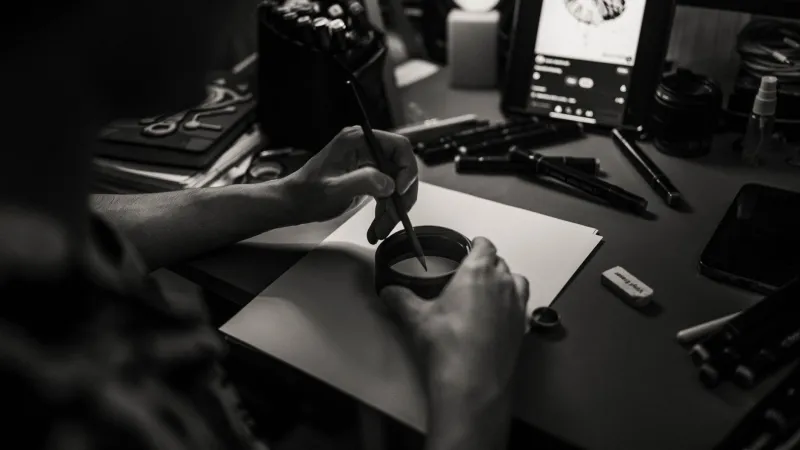
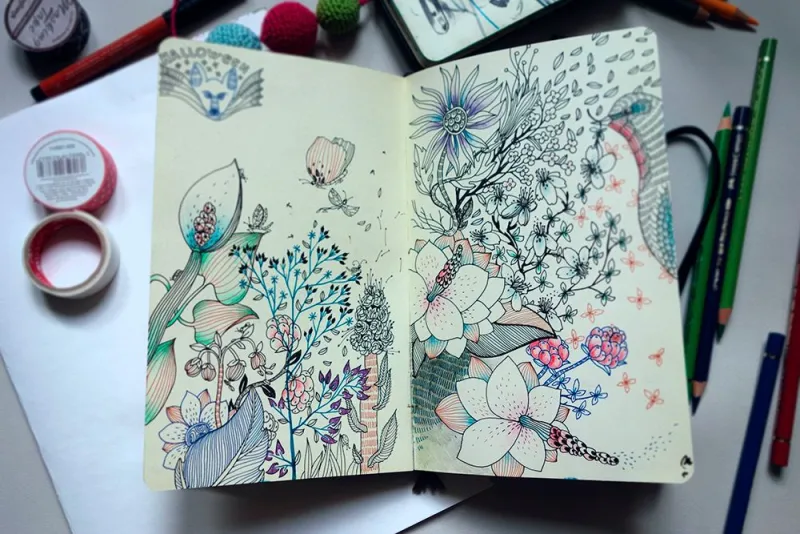
There's something that happens the moment you uncap a marker and drag it across real paper — something no stylus has quite figured out how to fake. We dug into the neuroscience and talked to working designers about why going low-tech isn't a step backward. It might actually be the smartest move you make all week.

That Terrible Idea You Threw in the Trash? Go Dig It Back Out.
Design Theory

That Terrible Idea You Threw in the Trash? Go Dig It Back Out.

The concepts you cringe at hardest might be the ones hiding your next breakthrough. Designers and artists keep stumbling onto the same weird truth: the path forward is often paved with the stuff you deleted, scribbled out, or swore you'd never mention again. Here's why your rejected ideas deserve a second look — and how to actually use them.

Not Knowing What You're Doing Might Be the Best Thing That Ever Happened to Your Art
Illustration Techniques

Not Knowing What You're Doing Might Be the Best Thing That Ever Happened to Your Art

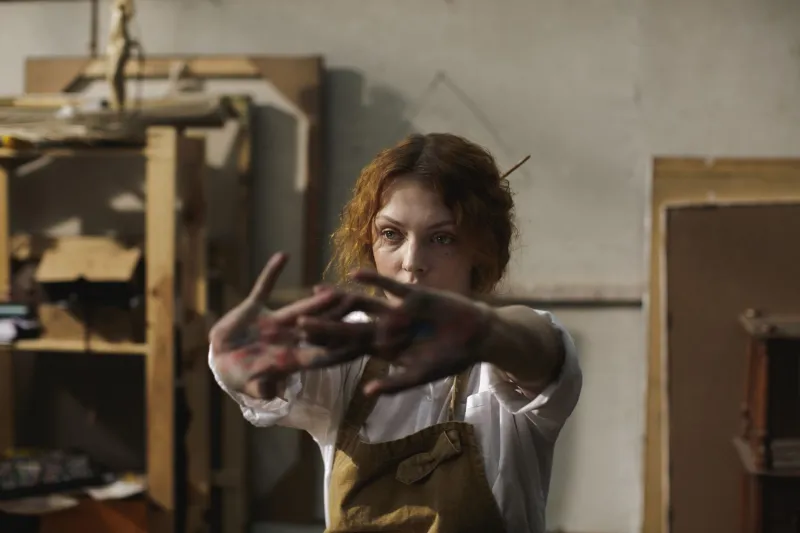
There's a strange kind of freedom that lives inside total creative ignorance. When you pick up a medium you've never touched before, something unexpected happens — your instincts take the wheel. This piece digs into why your messiest, most clueless experiments might actually be producing your most original work.

When Your Left Hand Doesn't Know What Your Right Hand Is Building
Design Theory

When Your Left Hand Doesn't Know What Your Right Hand Is Building

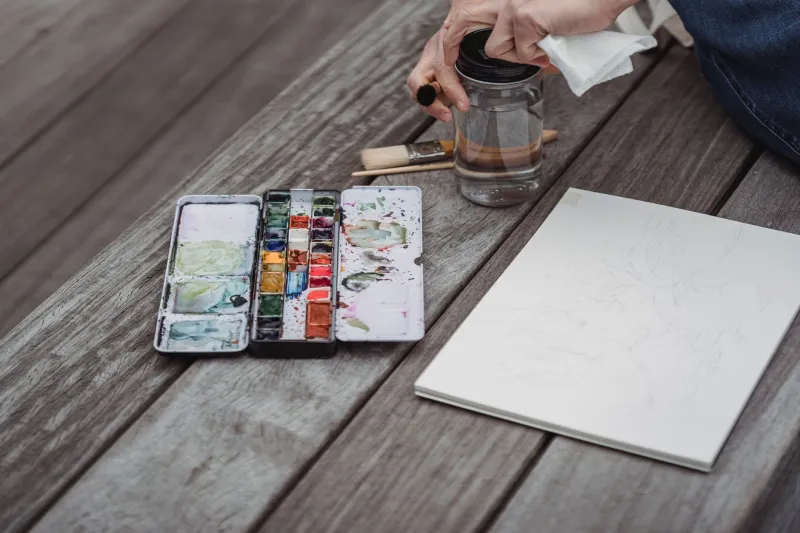
Some of the best design breakthroughs happen when you're not even trying to design. Turns out, dabbling in a totally different creative medium isn't a distraction — it's actually the whole point. Here's why your brain needs to wander before it can arrive somewhere worth going.

Everything Falls Apart Before It Comes Together: Surviving the Ugly Middle of Any Creative Project
Design Theory

Everything Falls Apart Before It Comes Together: Surviving the Ugly Middle of Any Creative Project

There's a brutal phase in every creative project where your work looks worse than it did on day one — and that's completely normal. Understanding why creative regression happens, and how to tell the difference between productive chaos and a genuine dead end, might be the most useful skill you never learned in art school.

Your Fingers Know Things Your Eyes Don't: Bringing Tactile Instinct Into Digital Design
Design Theory

Your Fingers Know Things Your Eyes Don't: Bringing Tactile Instinct Into Digital Design

There's something your hands figured out long before your monitor ever could. The way a rough piece of cardstock resists a brush, the drag of a pencil across cold-press paper, the satisfying thud of a rubber stamp hitting an inked pad — these physical sensations are secretly shaping the best digital work out there. Here's how to stop losing that feeling in translation.

The Magic Happens When Nobody's Watching: How Hidden Creative Spaces Unlock Your Best Work
Design Theory

The Magic Happens When Nobody's Watching: How Hidden Creative Spaces Unlock Your Best Work

Your messiest, most private creative spaces might be doing more heavy lifting than your polished portfolio ever could. There's a psychological freedom that kicks in when no one's looking — and learning to harness it could completely change how you create. Here's why your scratchpad is secretly your most powerful tool.

Ugly First, Beautiful Later: How Your Roughest Sketches Are Actually Doing the Heavy Lifting
Design Theory

Ugly First, Beautiful Later: How Your Roughest Sketches Are Actually Doing the Heavy Lifting

That chaotic page of scribbles you're embarrassed to show anyone? It might be the most important work you do all week. We dig into the psychology of messy ideation and why the designers producing the cleanest final work are often the ones who let things get genuinely ugly first.

Done Is a Masterpiece: How Letting Go of Perfect Unlocks Your Best Creative Work
Design Theory

Done Is a Masterpiece: How Letting Go of Perfect Unlocks Your Best Creative Work

Perfectionism feels like a superpower — until it becomes the thing standing between you and actually finishing anything. We dig into the surprising science and real-world stories behind why your best work almost never comes from chasing flawlessness.

Cutting It Close: The Weird Science of Why Deadlines Make You a Better Creative
Design Theory

Cutting It Close: The Weird Science of Why Deadlines Make You a Better Creative

There's a reason your best work shows up at 11:58 PM the night before it's due — and it's not just luck or panic. Deadline pressure triggers something real in the creative brain, something that wide-open schedules almost never can. Understanding that mechanism might be the most useful design theory lesson you never learned in school.

Why the Creative Partner Who Drives You Crazy Might Be Your Greatest Asset
Design Theory

Why the Creative Partner Who Drives You Crazy Might Be Your Greatest Asset

It sounds backwards, but the collaborator who challenges your every instinct might be the one who pushes your work into genuinely new territory. We dig into the science and the real-world stories behind creative partnerships built on friction — and why seeking out someone who thinks differently from you could be the smartest move you make this year.

Opposites Attract (And Then They Make Something Brilliant)
Design Theory

Opposites Attract (And Then They Make Something Brilliant)

The most uncomfortable creative partnerships often produce the most unforgettable work. Here's why teaming up with someone who drives you a little crazy might be the smartest design move you ever make — and how to actually pull it off.

Two Brains Are Better Than One — Even When You're Working Alone
Design Theory

Two Brains Are Better Than One — Even When You're Working Alone

It sounds like a contradiction: the best way to sharpen your individual creative voice might be to spend more time working with other people. But artists and designers across disciplines are discovering that regular collaboration doesn't dilute your style — it actually clarifies it. Here's why teaming up, even briefly, is one of the most underrated tools in a solo creator's kit.

Steal Like an Artist, Build Like Yourself: A Field Guide to Creative Remixing
Illustration Techniques

Steal Like an Artist, Build Like Yourself: A Field Guide to Creative Remixing

Every artist builds on what came before — the question is whether you're borrowing with intention or just copying with extra steps. This guide breaks down the difference between artistic homage and genuine innovation, with real exercises to help you transform influence into something unmistakably yours.

Your Brain Goes Rogue When You Stop Paying Attention — Here's How to Use That
Design Theory

Your Brain Goes Rogue When You Stop Paying Attention — Here's How to Use That

The best ideas rarely show up when you're staring at a blank canvas. Turns out, your brain has a secret creative mode that only kicks in when you stop trying — and understanding it could completely change how you work.

Put Down Your Phone and Pick Up a Pencil: A 72-Hour Plan to Reboot Your Creative Brain
Illustration Techniques

Put Down Your Phone and Pick Up a Pencil: A 72-Hour Plan to Reboot Your Creative Brain

Creative burnout isn't fixed by a lazy Sunday or a scroll through Pinterest. This 72-hour, day-by-day reset framework is designed to genuinely rewire how your brain approaches making things — combining analog tools, sensory exploration, and intentional rest in a sequence that actually sticks.

Fight Better, Create Stronger: The Secret Weapon Hidden Inside Creative Conflict
Design Theory

Fight Better, Create Stronger: The Secret Weapon Hidden Inside Creative Conflict

The best creative partnerships aren't the ones where everyone agrees — they're the ones where disagreement is practically a design tool. Here's how the most successful duos and teams learned to turn friction into fuel, and how you can build that same kind of trust with your own collaborators.

Boxed In and Breaking Through: The Hidden Power of Creative Limits
Design Theory

Boxed In and Breaking Through: The Hidden Power of Creative Limits

What if the thing standing between you and your best work isn't a lack of resources — it's too many of them? Designers and artists who've deliberately shrunk their toolkits are discovering that fewer options can unlock wilder, more original ideas. Here's the science, the stories, and the exercises to prove it.

When Does Your Brain Actually Want to Make Things? Finding Your Creative Clock
Illustration Techniques

When Does Your Brain Actually Want to Make Things? Finding Your Creative Clock

Not every artist is built for 5 AM hustle culture, and not every night owl is just avoiding responsibility. Your chronotype — the biological rhythm that governs your energy, focus, and mood — plays a massive role in when your creative work actually flows. Here's how to stop fighting your internal clock and start scheduling around it.