Small Figures, Big Walls: The 2026 Designer Vinyl Gallery Takeover
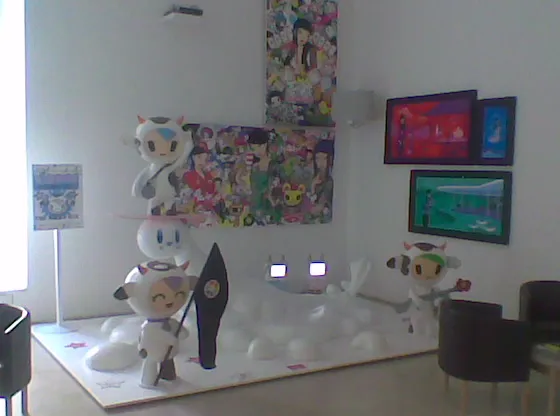
Photo: Alexdevil, CC0, via Wikimedia Commons
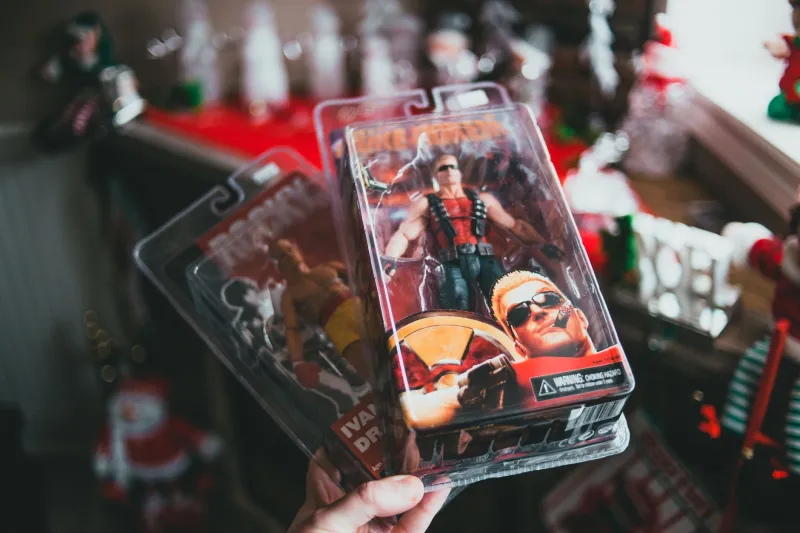
Walk into a certain kind of gallery in Los Angeles or Brooklyn this fall and you might expect paintings. Instead, you find plinths. On those plinths: eight-inch vinyl figures with glossy gradients, matte faces, and packaging that looks like a small architectural model. Nobody is calling them toys, exactly. Nobody is calling them sculptures, exactly. The category has gotten slippery, and that is part of the appeal.
Designer vinyl has been around for decades, with roots in the Hong Kong and Japanese art-toy scenes and a long American life through blind boxes, convention exclusives, and specialty shops. But 2026 feels like a different chapter. Art toys are appearing in group shows, design fairs, and even furniture-adjacent retail spaces. Collectors are treating them like prints or ceramics: editioned, curated, and displayed with intent.
From Blind Box to White Cube
The old gateway was the blind box. You paid a small amount, opened a foil bag, and hoped for the chase figure. That culture is still alive, and it still teaches designers plenty about anticipation and surprise. But the newer energy is on the limited-run side: small editions from independent artists, gallery releases, and figures that come with a certificate rather than a checklist.
Galleries like the format because it is accessible. A young collector who cannot drop five figures on a canvas can sometimes afford a small edition. Artists like it because vinyl is forgiving and fast compared with bronze or resin. And designers like it because a figure is a compact exercise in everything they already care about: silhouette, color, material, and character.
What Makes a Figure Art?
The honest answer is that the line is blurry, and the blur is where the fun lives. A figure becomes art when the decisions feel authored rather than licensed. That means the form has a point of view. The color story is intentional. The character reads at a glance but rewards a second look. The edition is limited enough to matter and produced well enough to last.
Form is the first test. A strong figure has a silhouette you could recognize as a black shape across the room. If the design only works because of surface detail, it is probably a toy first and an art object second. Color is the second test. The best pieces use restraint. They pick a lane and commit. Character is the third test. Not every figure needs a backstory, but it needs a personality. A tilt of the head, a heavy foot, a too-long arm: these are design choices that make you project a mood onto plastic.
The Collectors Math: Start Without Wrecking Your Budget
The fastest way to ruin a new hobby is to treat it like an investment portfolio. The second fastest way is to buy everything you sort of like. Collectors who stay happy tend to follow a few boring rules. They set a monthly number. They buy one piece they genuinely want instead of three they feel lukewarm about. They follow artists, not just hype. And they leave room for the thing they did not plan for.
If you are starting in 2026, look at open editions and small runs from independent designers before chasing secondary-market grails. A $60 figure from a artist you believe in can teach you more than a $600 flip. Go to local gallery shows. Sign up for studio newsletters. Visit conventions with a cash limit and a comfortable bag. Trade if you want, but do not buy plastic you do not actually want to look at every day.
Display matters too. A crowded shelf turns into noise. Give each piece some air. Mix scales. Put the loudest color near a neutral wall. Treat the shelf like a small exhibition, because that is what it is.
The Design Lessons Hiding on the Shelf
Even if you never buy a figure, the scene is worth studying. Designer vinyl is a masterclass in constraint. The canvas is small, so the shapes have to be bold. The production is physical, so the color has to survive molding and paint. The character has to work in a package, on a shelf, and in a photo.
That is not so different from designing a logo, a poster, or a product. You need a form that reads at thumbnail size. You need a palette that holds up under bad lighting. You need a personality that comes through without a paragraph of explanation. The best art toys do all three while looking like they were fun to make.
A Scene With Room to Grow
The risk is speculation. When prices climb, the energy can shift from discovery to scorekeeping. But the healthier signs are everywhere: indie designers sharing process, galleries pairing figures with prints, collectors organizing swaps, and new buyers asking better questions than what is it worth.
Designer vinyl is not replacing the gallery wall. It is joining it. And for designers, that is the useful part. A five-inch figure can hold a whole thesis about form, color, and character. You just have to stop calling it a toy long enough to look.