The Thrill Is in the Tear: What Blind-Box Culture Teaches Designers About Anticipation
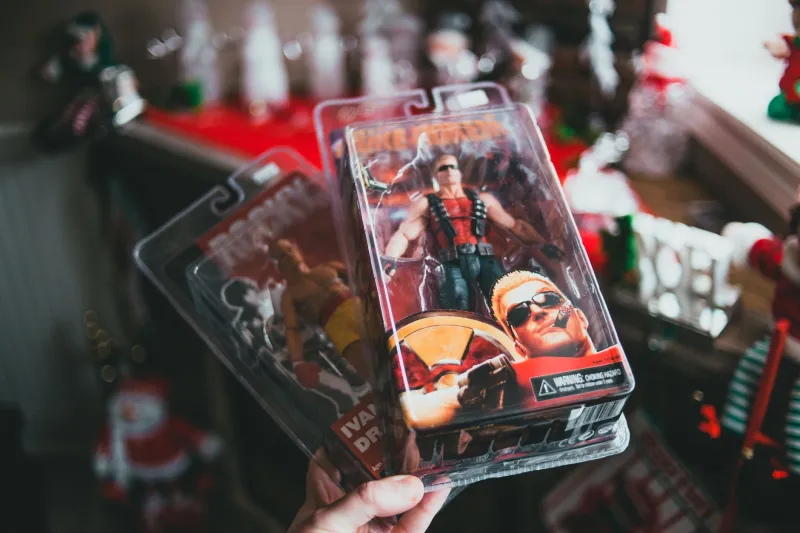
Watch a collector in a shop aisle and you will see a small, precise ritual. They pick up a box, set it down, pick up a different one. They weigh it in one palm. They tilt it near their ear and shake — gently at first, then with intent. Some of them read a code printed on the bottom, compare it to a photo on their phone, and put the box back with the confidence of someone who knows exactly what is inside.
The figurine is a few inches of painted vinyl. It costs the same either way. What they are actually buying is the thirty seconds between picking up the box and opening it.
That is a design problem, and a fascinating one.
Every Reveal Has Seven Stages
Break the experience down and it has more structure than most products manage in their entire lifecycle:
- Selection — choosing among identical boxes, which is a decision with no information.
- Speculation — the shake, the weight, the rattle. Physical clues that may or may not mean anything.
- Commitment — paying, which converts curiosity into ownership.
- Delay — carrying it home, or standing in the parking lot deciding whether to wait.
- Reveal — the tear, the foil, the first glimpse.
- Resolution — chase figure or common; delight or a small shrug.
- Aftermath — the shelf, the trade, the photo posted for people who will understand.
Most creative work skips from stage one to stage seven. Here is the thing, then here is the reaction. The middle — the speculation, the delay, the communal guessing — is where the pleasure actually lives, and it is almost always the first thing designers cut when they are in a hurry.
Rarity Is a Story, Not a Number
A case of twelve boxes with one chase figure works because it creates a shape: the full set, with a hole in it. The odds are the architecture, but the feeling is narrative — the possibility that this particular box is the one.
That is worth borrowing. What is not worth borrowing is the machinery that turns it into a slot machine.
Where the Format Goes Wrong
The uncomfortable truth about blind boxes is that they sit close to gambling mechanics. Variable ratio reinforcement — the psychological engine behind a lot of it — is the same one that makes casino floors profitable. Sunk cost does the rest: you have nine of twelve, so the last three feel mandatory rather than optional.
Collectors have pushed back hard, and the industry has shifted. Some brands now publish exact odds. Some sell open-box versions for people who want the figure without the wager. Communities trade duplicates rather than letting them rot in a drawer. The line between delight and manipulation turns out to be fairly simple: the mystery should still be fun if you get the common one.
If the only good outcome is the rare outcome, you have built a trap, not a toy.
Four Ways to Borrow the Structure Honestly
Randomize the constraints, not the reward. Put five prompts in an envelope and pull one each Monday. You are not gambling on a prize; you are gambling on a starting point. Every draw is usable, which is the whole point.
Stage your own reveals. Work in batches and do not look at the folder for a week. The gap between making and seeing is where judgment resets. Designs that felt finished on Tuesday often read completely differently after seven days of not staring at them.
Design a full set. Make sure every possible outcome of a process has value — the safe option, the weird option, the one you would not have picked. If only one result is acceptable, the surprise is just anxiety with better branding.
Make speculation social. Show someone a work in progress and ask them to guess where it is going. Their wrong guesses are free research, and their anticipation is a gift you can actually use.
Anticipation Is a Material
Every medium has materials, and most designers think of theirs as pixels, paper, ink, or clay. Time is a material too. So is not-knowing.
A teaser that reveals nothing is annoying. A teaser that gives you something to hold — a silhouette, a weight, a rattle — is a conversation. The difference is whether the audience has anything to do with their curiosity besides wait.
Build a Blind Box This Week
Buy one cheap blind box, or make your own: five small envelopes, each holding a material, a color, or a constraint, sealed and shuffled. Open one on Friday. Write down what you felt in the ten seconds before the tear — that little lift of attention is the exact sensation you are trying to build into your work.
The figure on the shelf is not the point. The pause before it is.