Shoebox Scale, Real Answers: Build a Tiny Diorama to Untangle a Giant Creative Problem

Photo: miniature cardboard diorama inside a shoebox with tiny figurines and warm lighting, via littlespoonfarm.com
The project is enormous. There is a budget, a deadline that moved twice, a stakeholder who wants something nobody can quite name, a technical limit you keep forgetting, and your own skill level sitting in the corner like a nervous intern. You have made eleven lists. The lists have not helped.
So build a tiny world instead.
Not a model of the final product — a model of the problem. Shoebox-sized. Cardboard, foam core, hot glue, whatever is in the drawer. The point is not craft. The point is that your hands can move the pieces, and your brain can finally see them all at once.
Why Shrinking Actually Works
Big problems are abstract because they live in working memory, and working memory is a lousy place to keep seven competing constraints. They blur together. You forget one, then overcorrect for another, then spend a week worrying about a conflict that was never real.
A physical object offloads all of that. The clock becomes a bottle cap. The budget becomes a wall. The difficult stakeholder becomes a figure standing directly in the doorway. Once they are on the table, they stop competing for space in your head.
There is a second effect, and it may be the more important one: making something with your hands for no productive reason lowers the stakes. Nothing you glue into a shoebox can fail. That is exactly the mood you need to think clearly.
Step One: Cast Your Constraints
Write down five to seven things that genuinely limit this project. Not hopes — limits. Budget, timeline, approvals, platform, team size, your own skill, the physical space it has to live in.
Now give each one a body. It does not need to be literal, but it needs to be consistent.
- A tight deadline becomes a small clock or a stack of coins.
- A budget cap becomes a wall that keeps getting taller.
- An approval chain becomes three figures standing in a narrow gate.
- A technical limit becomes a length of string marking how far you can reach.
- Your own inexperience becomes a cardboard box labeled plainly.
Keep a scrap of paper on the desk with the key. Otherwise in twenty minutes you will be staring at a bottle cap with no idea what it means.
Step Two: Build the Box
Grab a shoebox, cut one long side away, and line the inside with gray paper so nothing glares. Foam core for the floor if you want it sturdy. Cut a doorway. Tape a strip of LED from a tea light to the ceiling, or just aim a phone flashlight in from the side.
Give yourself forty-five minutes, tops. Crude is correct. A diorama that looks like a school project is easier to change than one that looks like an art piece, and you are going to change it a lot.
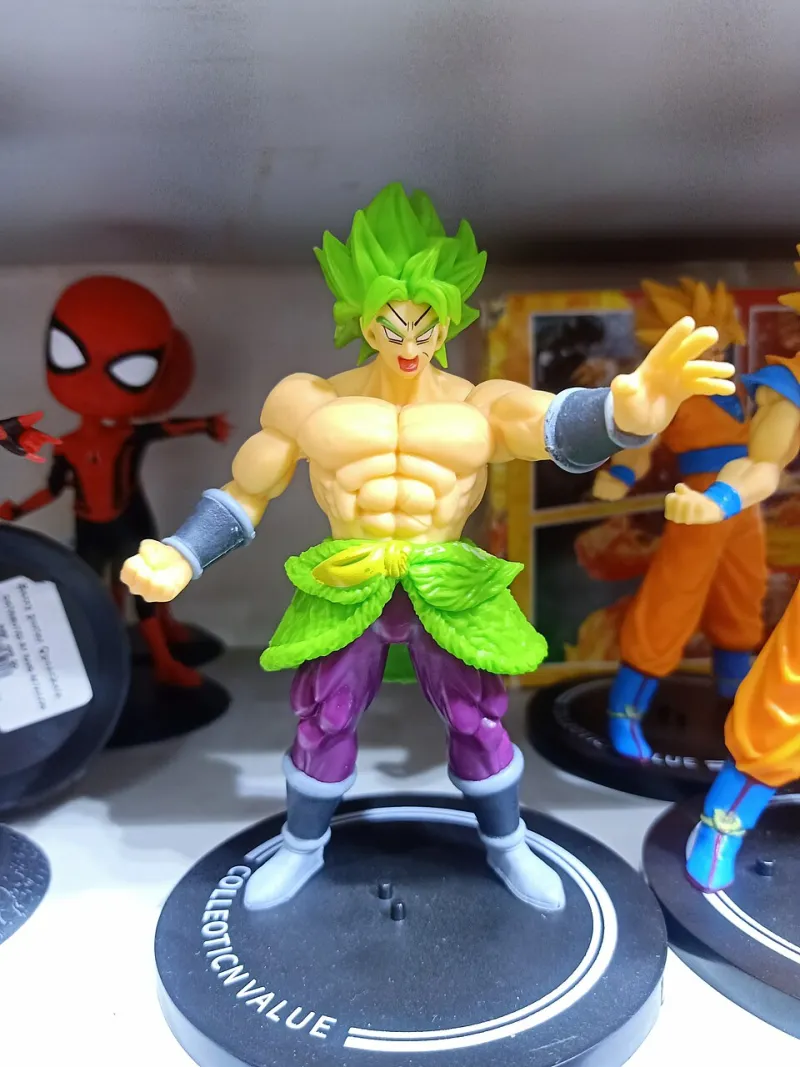
Drop in a figure or two if you have them — action figures, tiny animals, chess pieces, anything with a silhouette. Scale does not matter. Yours does not have to be 1:12. It just has to be small enough to see whole.
Step Three: Put the Idea Inside
Now place a stand-in for the project itself: a crumpled index card, a marble, a folded photo, a single figure. Set it in the middle of the box.
Then look at what is crowding it. That is the whole exercise. You have spent weeks feeling vaguely squeezed and unable to say why. The box will say why in about four seconds.
Step Four: Run a Few Tests
The sequence test. Rearrange the pieces into the order things need to happen. Does the project have room to move through the gate, or does it start wedged?
The stakeholder test. Assign each person a figure. Who is standing directly in the path? Who is technically present but facing the wrong direction?
The collapse test. Remove one constraint and see what breaks. Sometimes the thing you have been treating as essential is actually load-bearing for something you do not care about.
The photograph test. Shoot the box from the angle your audience will actually see it — straight on, at the height of a viewer. Flattened into two dimensions, some elements read instantly and others vanish. That gap between what you built and what the camera sees is one of the most useful pieces of information in this entire process.
Step Five: Photograph It and Walk Away
Take three phone shots from different angles, save them, and leave the box on the desk. Come back in two or three days. You will notice something you missed, usually because the fresh angle lets your brain stop defending the decision you already made.
What the Diorama Cannot Do
It will not solve the problem for you, and it does not replace an actual plan, a real budget spreadsheet, or a conversation with the people involved. It is a scaffold, not an answer. But a scaffold is what you have been missing — a temporary structure that lets you reach the part of the wall you could not get to.
And there is one more benefit that does not fit neatly into a productivity story. Making a tiny world is fun. Fun is not a detour from serious work; it is often the only condition under which you will try something obviously wrong, and obviously wrong is where the useful ideas hide.
Grab a shoebox this weekend. Glue something down badly. See what happens.