Steal Like an Artist, Build Like Yourself: A Field Guide to Creative Remixing
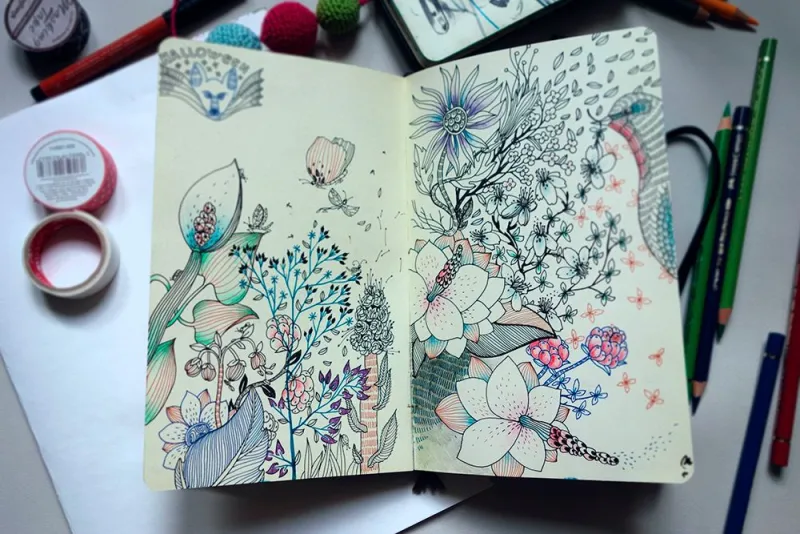
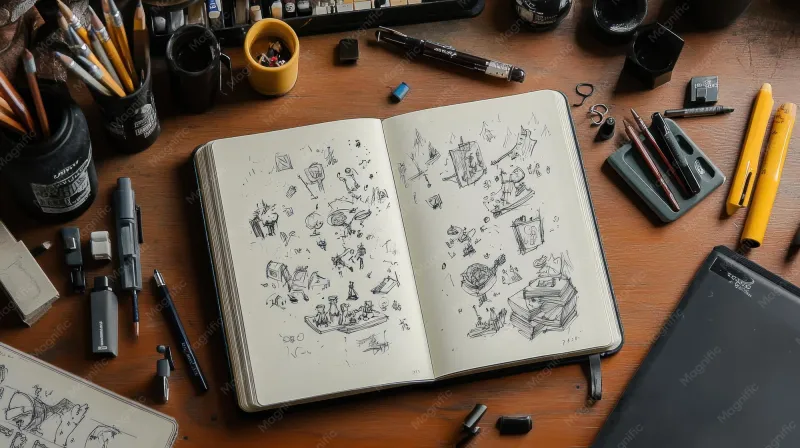
Photo: artist sketchbook with colorful illustrations reference images collage creative studio, via i.pinimg.com
Let's get one thing out of the way immediately: every artist you admire has been influenced by someone else. Every single one. Picasso famously declared that good artists borrow and great artists steal — and while that quote gets thrown around so often it's practically lost meaning, the underlying idea is worth sitting with seriously.
The question was never whether to draw from existing work. The question is how — and where the line falls between building on something and just reproducing it with a different color scheme.
The Long History of Artistic Remixing
Remixing isn't a digital-age phenomenon. It's how art has always evolved.
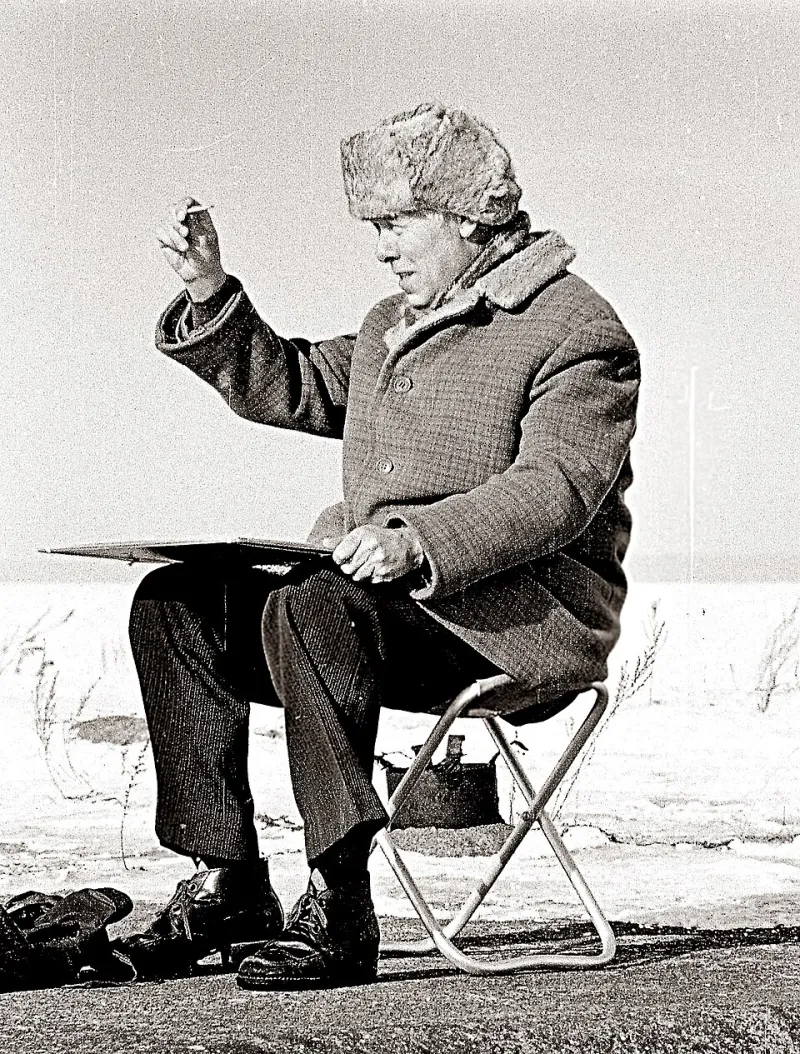
Renaissance painters trained by copying master works — literally reproducing them stroke for stroke — before developing their own styles. Warhol took commercial imagery and advertising vernacular and recontextualized them into fine art that commented on consumer culture. Hip-hop built an entire genre on the creative recombination of existing sounds, transforming samples into something with its own momentum and meaning.
In illustration and design specifically, the lineage is everywhere once you start looking. The flat design movement of the early 2010s owed a massive debt to Swiss International Style from the 1950s. Contemporary character design leans heavily on mid-century animation aesthetics. Retro-futurist illustration styles pull from Soviet propaganda posters, NASA concept art, and 1970s sci-fi paperback covers simultaneously.
None of this is theft. It's conversation. Art talking to art across time.
Inspiration vs. Appropriation: Where the Line Actually Is
Okay, but not all borrowing is created equal. There's a meaningful difference between being influenced by something and reproducing it, and the distinction matters both ethically and creatively.
Here's a rough framework to think it through:
Inspiration is when another work sparks an idea in you, but the resulting piece reflects your own perspective, decisions, and creative voice. You absorbed something and it changed what came out of you.
Homage is when you deliberately reference or pay tribute to an existing work or style, but you add meaningful transformation — new context, new meaning, new execution. The source is visible, but you've done real creative work on top of it.
Appropriation (in the problematic sense) is when you reproduce another artist's specific work — particularly their distinctive visual language, characters, or compositions — with minimal transformation and present it as your own. This is where ethics get serious, especially when money or credit is involved.
The key variable in all three is transformation. How much of yourself is in the work? How much have you changed, recontextualized, or added to what you started with?
A useful gut-check: if someone who knows the source material sees your piece, do they see an entirely new idea that happens to carry echoes of influence — or do they primarily see the original with a filter applied?
Case Studies Worth Knowing
Jean-Michel Basquiat and the art world establishment. Basquiat pulled from street art, African art history, jazz, and pop culture simultaneously. None of those sources were erased — they were visible and intentional. But the synthesis was so distinctly his that the work couldn't be mistaken for anyone else's. That's the target.
Shepard Fairey's "Hope" poster. This one's more complicated. Fairey's famous 2008 Obama poster was based on an AP photo by Mannie Garcia, which led to a legal battle. Fairey argued fair use and transformation; the AP argued copyright infringement. They settled out of court. The case is a useful reminder that even well-intentioned remixing has legal and ethical dimensions worth understanding before you publish or sell.
Virgil Abloh's 3% rule. The late designer famously described his creative philosophy as changing an existing reference by just 3% — enough to make it his own while keeping the conversation with the source explicit. It's a provocative framework, and not everyone agrees with where he drew lines. But it's an honest articulation of remix culture operating in plain sight.
A 48-Hour Exercise Framework
Here's something practical you can actually try this week. The goal is to move through influence and out the other side into something genuinely yours.
Hour 1-4: Deep study, not casual browsing. Pick one artist or designer whose work you genuinely love. Don't skim their Instagram. Go deep — books, interviews, process documentation, the work that influenced them. Understand the why behind the visual decisions, not just the surface aesthetic.
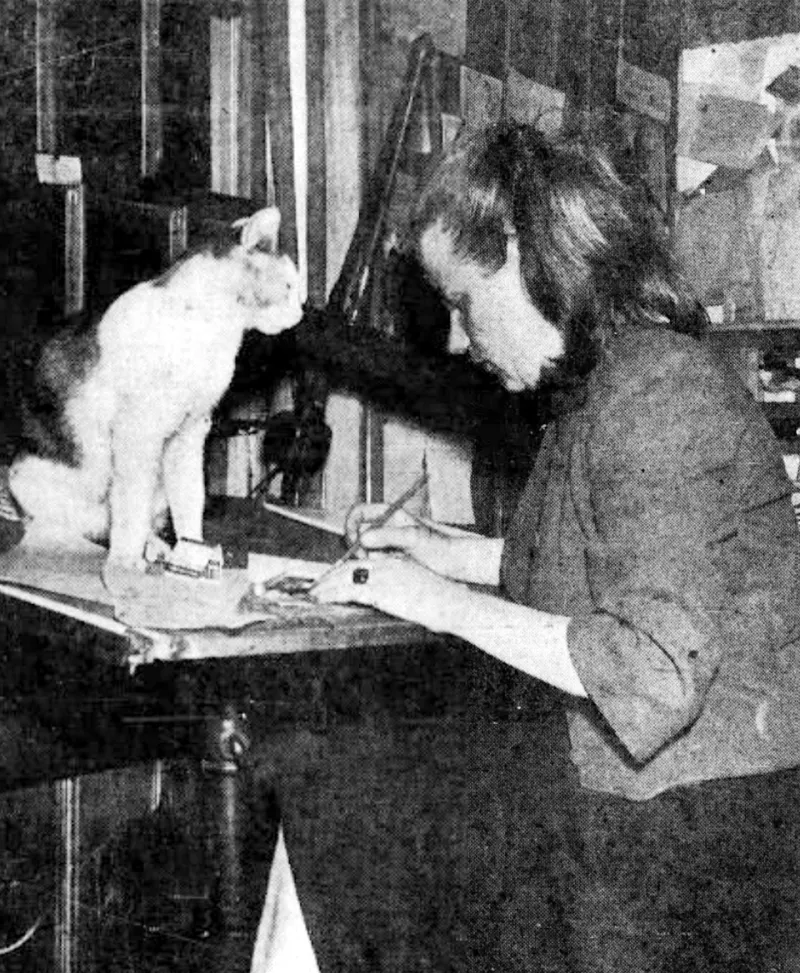
Hour 5-12: Copy deliberately. Recreate one of their pieces as closely as you can. Not to publish — just as an exercise. This is how art students have always learned. Getting your hands into someone else's decisions teaches you things that looking never will. You'll notice choices you'd have made differently.
Hour 13-24: Break it apart. Take the elements you copied and start isolating them. What's the color logic? The compositional structure? The line weight relationships? Sketch those elements separately, divorced from the original context.
Hour 25-36: Rebuild with your own material. Take those isolated elements and reconstruct something using your own subject matter, your own references, your own visual interests. A character you've been developing. A scene from your own life. Something only you would think to make.
Hour 37-48: Push until it's unrecognizable (in a good way). Iterate until the original influence is one layer among many, not the dominant voice. Add another reference. Add your own instincts. Keep going until the piece feels more like you than like anyone else.
At the end of 48 hours, you should have something that carries the DNA of influence but couldn't be mistaken for the source. That's the remix working correctly.
Building a Voice That's Actually Yours
Here's the honest truth about artistic voice: it's not something you find fully formed. It's something that accumulates. Every influence you absorb, every technique you try, every deliberate exercise you do — it all layers. Over time, the combination becomes distinctive because no one else has your specific combination.
The creatives who seem to have the most original voices are usually the ones who've remixed the most thoughtfully. They've studied widely, borrowed consciously, and then done the hard work of synthesis.
So yes — look at the work that moves you. Study it seriously. Let it change how you make things. Just keep asking yourself: what am I adding? What's mine here?
That question, kept honest, is the whole practice.